Grandpa Is the Lucky One, St. Patrick’s Embroidery Design Review
Embroidery design shopping can be a bit of a gamble unless you know what to look for. As someone who has tested countless machine embroidery designs over the years—ranging from simple monograms to intricate holiday motifs—I always approach new files with a mix of curiosity and caution. Today, I’m taking a closer look at Grandpa is the Lucky One, St. Patrick’s, an SVG quote design that promises flexibility, print readiness, and color versatility. Let’s break it down through the lens of real-world application.
First Impressions: A Festive and Personalized Feel
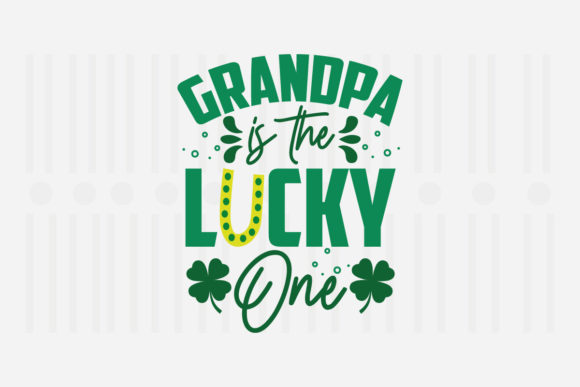
The moment I opened the Grandpa is the Lucky One, St. Patrick’s design in my software, I was struck by its cheerful and slightly whimsical tone. It’s clearly crafted with St. Patrick’s Day in mind, but the sentiment behind the phrase gives it a unique charm that goes beyond the usual green-hued clichés. The layout is balanced, with the text centered and stylized using bold, rounded lettering that feels hand-drawn yet precise. This adds a sense of warmth and personality, making it ideal for personalized gifts or handmade products where emotional resonance matters.
What stood out most was how the design plays with color options. While the original features a traditional green palette, the ability to change colors opens up a world of possibilities. For instance, swapping in gold or red accents could give it a more festive edge, while pastel shades might make it suitable for baby items or delicate home décor.
Real-World Performance in Common Embroidery Projects
Let’s imagine a practical use case: customizing a St. Patrick’s Day tote bag for a boutique line. The Grandpa is the Lucky One, St. Patrick’s design would work well here, especially if the fabric is medium-weight cotton or linen. Its clean lines and moderate detail level mean it won’t get lost on larger surfaces, and the shape allows for easy placement without overwhelming the space.
I also see this design fitting nicely into sweatshirt embroidery. The font style is friendly and legible even when scaled up slightly, which is essential for cozy winter apparel. Since it doesn’t rely heavily on tiny details, it holds up well on soft knits and avoids the risk of distortion during washing or wearing.
For embroidered patches, the design shows promise but needs careful evaluation. The shape is compact enough for standard patch hoops, and the stitch count (which isn’t specified) should be manageable if the design is simplified. However, dense areas like the letters may require extra stabilizer to prevent puckering or stretching.
Why It Works Well for Custom Apparel and Gift Items
- Custom T-Shirts: This design shines on t-shirts due to its visual clarity and adaptability. It reads well in both light and dark thread colors, and since it's 100 color-changeable, you can match your brand palette or client preferences easily.
- Baby Clothes: With some adjustments in scale and stitch density, the design could be used subtly on onesies or bibs. The “lucky” theme feels heartwarming and age-appropriate, adding a personal touch without being too loud.
- Holiday Gifts: Whether it's a mug, poster, or pillow cover, the design’s St. Patrick’s Day theme makes it a strong contender for seasonal offerings. Its simplicity ensures it remains readable across different materials and sizes.
Where Caution is Needed
While the Grandpa is the Lucky One, St. Patrick’s design is versatile, there are situations where it might not perform as expected. Here are a few things to consider before committing it to a production run or handmade batch:
- Small Hoop Sizes: If you're planning to use this design in a small hoop, say for a cap or hat, the full text might need to be reduced. That could compromise legibility, so test it on scrap first.
- Textured or Stretchy Fabrics: On materials like corduroy or jersey knit, the fine lines of the design might become distorted. You’ll want to adjust stitch density and possibly add tear-away or cut-away stabilizer depending on the fabric.
- Dark Fabric Backgrounds: Thread color choice becomes critical here. Some versions of the design might lose contrast when placed on darker materials. Always do a black-and-white mockup before stitching to ensure visibility.
- Frequent Washing: If you're using this for items like tea towels or aprons, keep an eye on the stitch density. Overly tight satin stitches can pill or flatten over time, reducing the overall appeal of the finished product.
Design Impact on Branding and Customer Appeal
In terms of visual appeal, the design carries a nostalgic and affectionate vibe that many crafters and small business owners will appreciate. It’s perfect for those targeting family-themed products or sentimental gifts. The clear message and recognizable St. Patrick’s Day theme help with product recognition, which is key for craft businesses and Etsy sellers looking to stand out in crowded markets.
From a customer trust perspective, using a design like this can enhance perceived value. People often associate hand-stitched or high-quality embroidered quotes with thoughtfulness and quality, especially during holidays. When paired with a well-crafted product—like a personalized sweatshirt or a custom apron—it can significantly boost buyer engagement and satisfaction.
However, don’t assume this design works for every project. Its character is best suited for casual or heartfelt items rather than formal or minimalist branding. For commercial embroidery or small shop product lines, consistency is crucial. Make sure the design aligns with your brand voice and aesthetic before integrating it into multiple items.
Designer Notes for Optimal Use
Before using Grandpa is the Lucky One, St. Patrick’s in any embroidery project, here are a few tips based on my experience:
- Test on Scrap Fabric: Especially if you plan to use it on stretchy or thin materials. See how the design reacts to tension and movement.
- Check Thread Color Contrast: Ensure the chosen colors pop against the background. Sometimes a subtle change in shade can dramatically improve readability.
- Review Stitch Density: Dense fill areas may cause puckering or require extra stabilizer. Lighten them if necessary for certain fabrics.
- Confirm Hoop Size: Without exact measurements provided, always check whether your hoop can accommodate the full design at the intended size.
- Inspect Small Details: Look closely at corners and edges. Some machine embroidery files struggle with curved or decorative elements, so be prepared to tweak if needed.
- Use Proper Stabilizer: Depending on the fabric, choose between tear-away, wash-away, or cut-away stabilizers to maintain the design’s integrity post-stitching.
- Consider Licensing: If you’re an embroidery designer or digital product seller, always confirm licensing terms before using it in commercial projects.
Final Thoughts for Crafters and Creative Entrepreneurs
Grandpa is the Lucky One, St. Patrick’s is a solid addition to any embroidery designer’s collection. It’s not flashy or overly complex, but it does deliver a warm, conversational feel that many customers respond to positively. Whether you're creating a tote bag design for a local market or preparing holiday embroidery for your Etsy store, this file offers a good balance of simplicity and customization potential.
That said, no design is one-size-fits-all. Take the time to test it in various contexts—especially if you're scaling up for a commercial project. Pay attention to how the text sits on the material, how the stitches flow, and whether the final result feels cohesive with your other design assets.
If you're working within the Crafts and Graphics categories, this design fits naturally into printable mockups and digital product previews. Its SVG format means it can be resized without losing quality, which is a huge plus for anyone offering multiple product types or sizes.
Ultimately, Grandpa is the Lucky One, St. Patrick’s is a reliable and adaptable machine embroidery design that, with the right preparation and tweaks, can elevate your handmade or boutique offerings. Just remember to treat it like any professional embroidery asset—test, adjust, and tailor it to your specific needs and audience expectations.