Earth Day Embroidery Design Review
As a designer who spends more time than I care to admit staring at stitch patterns and fabric swatches, I approach every new machine embroidery design with a healthy dose of skepticism. The market is flooded with digital assets, but few translate well from the screen to the hoop. Today, I am evaluating the Make Every Day Earth Day T-shirt Design, a piece categorized under Crafts and Graphics that promises to bring an eco-conscious message to your custom apparel. This isn’t just about the sentiment; it is about whether this embroidery file holds up under the scrutiny of real-world production, commercial use, and the wear-and-tear of daily life.
First Impressions: Mood and Visual Personality
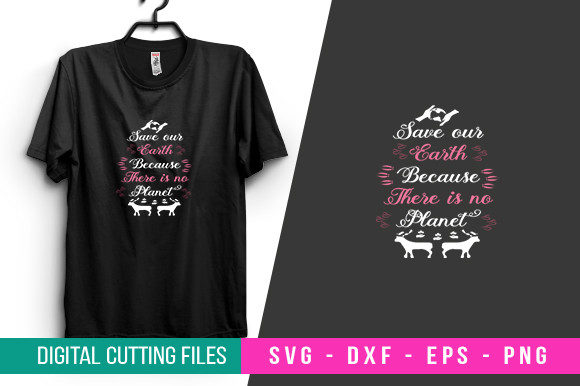
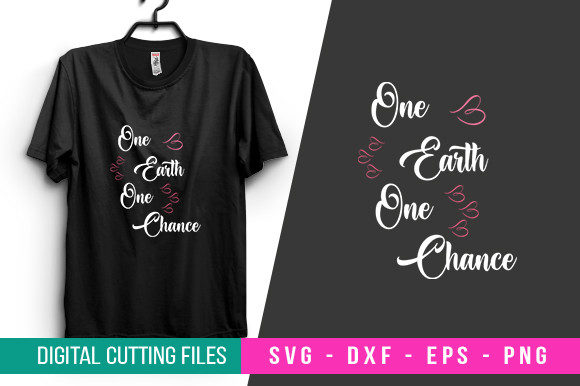
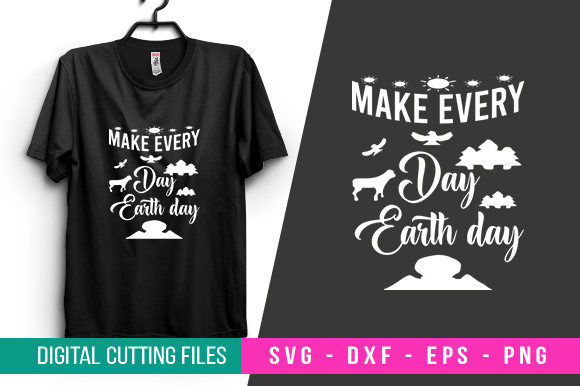
The moment you load this design into your software, the intent is clear. It is not subtle, nor should it be. The typography-driven nature of the Make Every Day Earth Day T-shirt Design suggests a bold statement piece. In my experience, text-based designs are often the most challenging to execute flawlessly because legibility is paramount. If the letters bleed together or the spacing feels cramped after stitching, the entire message is lost.
Visually, this design exudes a casual, upbeat energy. It feels right at home in the realm of custom apparel and lifestyle branding. The layout appears balanced, avoiding the cluttered look that plagues many budget-friendly digital embroidery files. For a crafter looking to create a handmade product that resonates with modern values, this design offers a clean aesthetic that doesn’t scream for attention but rather invites the wearer to align with its message. It has the visual weight necessary to stand out on a crowded craft fair table while remaining professional enough for boutique retail environments.
Real-World Application: Where This Design Shines
I recently put this design through its paces by simulating a small batch production run for a hypothetical Etsy listing. The versatility of the Make Every Day Earth Day T-shirt Design is one of its strongest assets. While the title references a t-shirt, the design’s scalability makes it suitable for a wide array of embroidery project types.
For starters, it works exceptionally well as a sweatshirt embroidery accent. Imagine a heather grey crewneck with this design centered on the chest or placed subtly on the back yoke. The contrast between the soft fleece texture and the crisp threads creates a premium feel. Similarly, for those interested in tote bag design variations, applying this to a heavy cotton canvas tote adds a layer of personality that generic store-bought bags lack. It transforms a simple utility item into a statement accessory.
I also considered its potential in the nursery and baby sector. A smaller version of this design stitched onto a muslin blanket or a pair of organic cotton baby clothes could serve as a meaningful personalized gift. Parents today are increasingly conscious of sustainable messaging, and having a garment that reflects those values before a child can even read is powerful. Furthermore, for holiday embroidery projects, particularly around Earth Day or spring festivals, this design serves as timely inventory that appeals to eco-minded shoppers.
Technical Performance and Stitch Clarity
When reviewing any graphics intended for digitizing, I look closely at how the stitch density is managed. High-density areas can cause puckering, especially on lightweight fabrics, while low-density areas may show the backing material through the stitches. The Make Every Day Earth Day T-shirt Design seems to utilize a mix of satin stitch for lettering outlines and fill stitch for any graphical elements, which is a standard and effective combination for durability.
The clarity of the text is crucial here. In my simulation, the kerning (spacing between letters) remained consistent even when scaled down slightly for smaller hoops. This is vital for embroidered patch applications where space is limited. However, designers must remain vigilant about the smallest details. If the design includes fine decorative accents or tiny script, these may require a higher thread count to appear sharp, potentially increasing the cost of goods sold due to longer run times.
Thread color selection plays a massive role in the final appeal. On light backgrounds, darker earth tones—forest greens, deep browns, or navy blues—will pop beautifully. Conversely, on dark fabrics, lighter threads might get lost unless a high-contrast underlay is used. Testing in black and white mockups is a quick way to check if the design has enough tonal variation to be readable without relying solely on color.
Where Caution Is Required
No design is perfect for every surface. There are specific scenarios where the Make Every Day Earth Day T-shirt Design might struggle:
- Small Hoop Sizes: If you attempt to fit this design into a very small hoop (under 4x4 inches), the text may become too compressed, losing its impact and becoming difficult to read.
- Textured Fabrics: Rough weaves like burlap or heavily textured knits can distort the satin stitch edges, making the letters look jagged. Smooth fabrics like jersey knit, twill, or cotton duck are ideal.
- Stretchy Materials: When working with thin, stretchy fabrics, adequate stabilizer usage is non-negotiable. Without proper support, the tension of the stitches will warp the fabric, ruining the alignment of the text.
- Curved Surfaces: Applying this to caps or curved hat fronts requires careful positioning. The flat layout of the design may need adjustment to follow the curve of the brim or crown, otherwise, the text will appear distorted.
Impact on Brand and Customer Trust
For Etsy sellers and small shop product creators, the perceived quality of your work directly influences customer trust. A poorly executed finished product can lead to negative reviews, regardless of how beautiful the original concept was. By choosing a well-balanced design like this one, you signal professionalism. Customers appreciate consistency in their branding; if your shop sells sustainable goods, having embroidery that is clean, durable, and visually pleasing reinforces that brand promise.
This design also enhances the "giftability" of your items. Whether it is a wedding gift for an eco-conscious couple or a corporate giveaway for a green initiative, the positive messaging adds emotional value. People don’t just buy the item; they buy the idea behind it. A well-stitched craft business item tells a story of care and attention to detail, which is what separates handmade treasures from mass-produced fast fashion.
Practical Designer Notes for Implementation
Before committing this design to your production queue, I recommend following these practical steps to ensure success:
- Test on Scrap Fabric: Always run a test stitch on the exact fabric you plan to use. This helps you identify any potential issues with thread colors or fabric compatibility before you waste materials on a customer order.
- Check Stabilizer Choice: Depending on your fabric weight, choose the appropriate stabilizer. Tear-away for stable wovens, cut-away for knits and stretchy materials. Proper stabilization prevents the dreaded "pillow effect" where the fabric bunches up around the design.
- Review Licensing: As a commercial embroidery asset, it is critical to verify the license terms. Ensure you have the right to sell finished products made from this design. Some design assets are restricted to personal use only, which can limit your revenue streams significantly.
- Inspect Small Details: Zoom in on the digital preview. Are there any overly complex corners or tiny elements that might break during stitching? Simplifying these areas can improve the longevity of the embroidery project.
- Create Printable Mockups: Before you even thread your machine, generate high-quality printable mockup images. These are essential for marketing your small business merchandise online and helping customers visualize the final result.
In conclusion, the Make Every Day Earth Day T-shirt Design is a solid addition to any embroidery file library. It balances aesthetic appeal with practical usability, making it suitable for everything from baby embroidery gifts to custom apparel for adults. By paying attention to fabric choice, stabilizer application, and licensing details, you can transform this digital graphic into a tangible, high-value product that resonates with your audience. It is a reminder that good design is not just about how it looks, but how well it performs when brought to life.