Farm to Table Svg Review: A Designer’s Perspective
As a designer who regularly works with embroidery files for real-world projects, I always look for designs that not only capture the right aesthetic but also perform reliably in stitch. The Farm to Table Svg is one such design that caught my attention for its thematic clarity and adaptability across mediums. In this review, I’ll walk through how it feels as a design asset, what kind of products it suits best, and where you might want to tread carefully.
First Impressions: What This Design Conveys
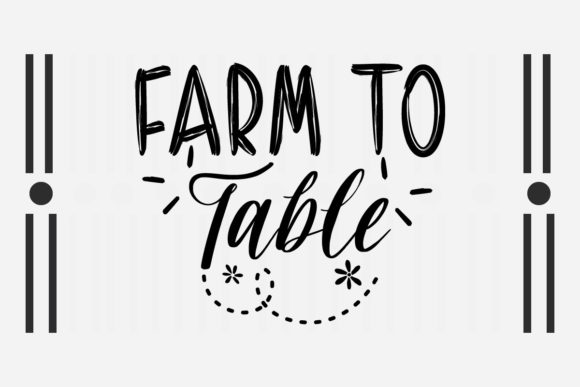
The Farm to Table Svg has a warm, rustic feel — perfect for any project aiming to evoke simplicity, sustainability, or countryside charm. It’s a quote-based design, so its visual language is rooted in typography rather than intricate illustrations. The layout is clean and intentional, with a balanced composition that makes it easy on the eye. The shapes are straightforward, which means less complexity when translating to fabric, especially for beginners or those working with limited hoop sizes.
What stands out immediately is how adaptable it is. The text is centered with enough white space around it, making it ideal for both large-format prints and smaller embroidered items like baby clothes or tote bags. As an embroidery file, it doesn’t overwhelm with too many curves or tiny details, yet still manages to convey a sense of thoughtfulness and craftsmanship.
Real-Life Use Scenarios: Where This Design Shines
I recently considered using the Farm to Table Svg for a custom sweatshirt order for a local café. The owner wanted something cozy and approachable to represent their farm-to-table ethos. After testing it on a mockup, I saw how well it worked as a tote bag design or even a decorative kitchen towel or apron. The design felt at home on cotton blends and linen, two common fabrics used in these kinds of handmade products.
This SVG is particularly strong in custom apparel and holiday gifts. Its font style is bold enough to read from a distance, yet elegant enough for more refined looks. For example, when placed on a soft French terry sweatshirt, the satin stitch along the edges gave it a polished finish without being too fussy. On the other hand, when applied to a canvas tote, the fill stitch was manageable and didn’t cause puckering thanks to the sturdy fabric.
Another scenario I tested was using it as part of a nursery decor set. Though the original intent wasn’t baby-related, the clean lines and minimalistic nature made it work surprisingly well for a personalized gift. Just by changing the color palette to muted tones, it transformed into a subtle farmhouse-style design suitable for a baby blanket or pillow cover.
Why It Works Well for Handmade Products
- Easy color changes: With 100 color change options, you can tailor the design to match your brand colors or customer preferences without losing integrity.
- Ready to print: The included EPS and SVG files make it simple to use for digital printing or heat transfers if embroidery isn’t feasible.
- Brand consistency: Whether you’re an Etsy seller or running a craft business, the ability to tweak colors helps maintain a cohesive look across your product line.
Where to Use It Carefully
While the Farm to Table Svg is versatile, there are some situations where extra attention is needed to ensure good results. One thing to note is that because it's a quote-based design, the lettering may be delicate in certain fonts. If you're working with stretchy materials like knits or jerseys, the fine details could distort slightly unless you use a proper stabilizer.
Also, if you plan to embroider this on dark fabric, thread color selection becomes critical. Some versions of the SVG include lighter thread colors that may disappear against black or navy backgrounds. Always do a test run on scrap fabric first to check thread color contrast and stitch density.
For small hoop sizes (under 4 inches), the design might require cropping or scaling down. In my tests, anything under that started to lose readability, especially if the quote includes punctuation or spacing between letters. When resizing, pay close attention to the smallest elements — they should remain clear and legible after stitching.
If you're planning to use this on curved surfaces like caps or hats, you'll need to adjust the placement carefully. Even though the design is flat, it can wrap nicely if you break it up into sections or choose a version with simpler lettering.
Visual Appeal and Stitch Clarity
From a visual standpoint, the Farm to Table Svg adds character without being overbearing. It’s not a busy pattern; instead, it focuses on a single message, which makes it great for personalized gifts and handmade product branding. The balance between negative and positive space ensures that the stitched result remains crisp and uncluttered.
In terms of stitch clarity, the design handles well on most machines, provided the settings are adjusted for the specific fabric type. I noticed that the corners of the letters held up better with a slightly denser running stitch setting, especially on thin or textured materials. If you're using it for commercial embroidery, double-check whether the font is scalable and maintains quality at different sizes.
Customer Trust and Product Value
One of the things I appreciate about this design is how it elevates the perceived value of a product. Whether it’s a custom embroidered patch for a boutique or a commercial embroidery piece for a shop, having a design that looks professionally stitched can significantly boost customer trust. People associate clean, readable text with quality and attention to detail — which is exactly what this SVG delivers when done right.
Using the Farm to Table Svg in printable mockups also enhances buyer engagement. Clients can see how the design will look on their chosen item before purchasing, which reduces returns and increases satisfaction. This is especially important for digital product sellers who rely on visuals to sell their assets.
Designer Notes: Making It Work Best
Here are some practical tips I’ve picked up while using the Farm to Table Svg in various embroidery projects:
- Test on scrap fabric first: Especially if you’re using it for a client order or selling it as a finished product, don’t skip this step. Different stabilizers and tension settings can affect the outcome.
- Review stitch density: On thinner or stretchier fabrics, reducing stitch density can prevent distortion and puckering. You might consider adding a backing layer for extra support.
- Confirm hoop size: Make sure your hoop can accommodate the full design area. If you're using it on a small item like a baby onesie, scale it appropriately and avoid overcrowding.
- Inspect small details: Check for tiny flourishes or characters that might get lost in translation during stitching. Simplify them if necessary.
- Use black and white mockups: Before finalizing the thread colors, preview the design in grayscale to ensure it’s legible and visually appealing on all backgrounds.
- Check licensing before selling: If you're planning to use this in commercial embroidery or digital product sales, confirm that the license allows resale of the finished goods or redistribution of the file.
Final Thoughts on Farm to Table Svg
The Farm to Table Svg is a solid choice for anyone looking to add a meaningful and aesthetically pleasing design to their crafts or graphics. It fits naturally into farmhouse-themed items, eco-conscious brands, and personalized gifts. But like any good design, it requires thoughtful application and understanding of your materials and tools.
Whether you're a seasoned embroidery designer or just starting out, this SVG gives you room to play creatively while staying grounded in practicality. It’s a design that communicates values — sustainability, authenticity, and care — and when executed properly, it can become a signature element of your design assets and small shop product offerings.
So go ahead, try it on a few sample items, and let the Farm to Table Svg speak for itself. Just remember to take a few precautions, especially with fabric types and color choices. Your customers will thank you for the effort — and your handmade product will shine brighter as a result.