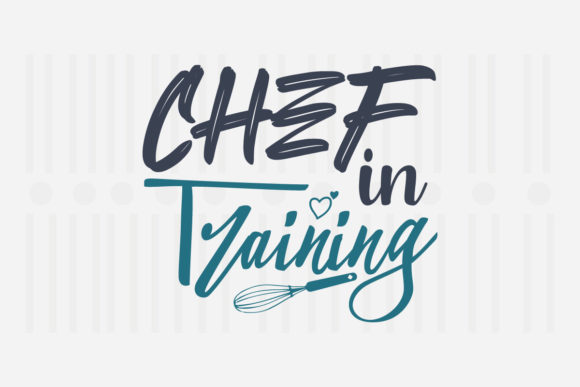
Chef in Training Kitchen SVG Review
When I browse through new Graphics and Crafts assets, I am usually looking for one thing: versatility. As a designer who frequently moves between digital mockups and the actual embroidery machine, I know that a pretty picture on a screen does not always translate into a clean stitch-out. Today, I am evaluating the Chef in Training,Kitchen SVG file to see if it holds up under the pressure of real-world production. This isn't just about having a cute quote; it is about whether this design can serve as a reliable asset for an Etsy seller, a boutique owner, or a hobbyist maker who needs to produce consistent, high-quality finished products.
First Impressions and Visual Personality
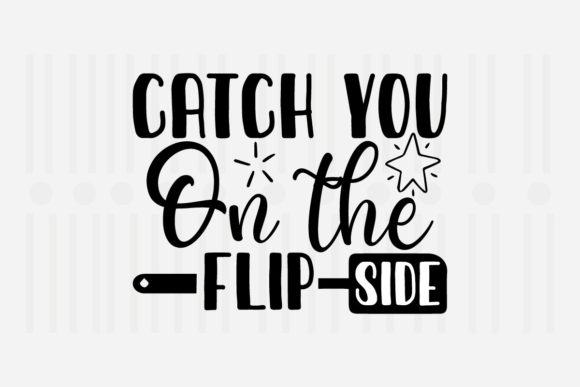
The moment you open the source files for Chef in Training,Kitchen SVG, the layout strikes me as clean and balanced. The typography appears bold enough to hold its own against background textures, which is critical when dealing with fabric surfaces. In the world of custom apparel and personalized gifts, legibility is king. If the text gets lost in the stitching or becomes too narrow to read after shrinking, the product loses value immediately.
This design creates a warm, inviting mood. It feels less like a rigid corporate logo and more like a playful, heartfelt statement. That emotional connection is exactly what drives engagement on platforms like Etsy or at craft fairs. The visual personality suggests a project that is approachable and fun, making it ideal for nursery decor, baby showers, or family-oriented kitchenware. When I look at the shape and theme, I see a design that naturally belongs on soft fabrics rather than stiff, industrial materials. It has a handmade charm that resonates with buyers looking for authentic, artisanal touches.
Real-World Application Scenarios
To truly test a design, you have to imagine it on the final product. Here is how I see Chef in Training,Kitchen SVG performing in specific use cases:
- Custom Apparel and Sweatshirts: This design would shine on a heavyweight cotton sweatshirt. The contrast between the thread and the fabric will pop, creating a professional finish. For sweatshirt embroidery, the bold nature of the quote ensures it remains visible even after multiple washes.
- Kitchen Textiles: Imagine this stitched onto a linen tea towel or a canvas apron. The "Chef in Training" theme fits perfectly here. For a kitchen towel, the design adds a personal touch that elevates a simple household item into a thoughtful gift. It works well as part of a matching set for a housewarming present.
- Baby Items and Nursery Decor: This is perhaps the strongest market fit. Embroidering this onto a onesie, a muslin blanket, or a small pillow cover creates an instant keepsake. The gentle, playful vibe appeals directly to parents and grandparents looking for personalized gifts. It feels safe, soft, and celebratory.
- Tote Bags and Patches: For the tote bag design crowd, this graphic offers a great balance of text and space. It is not overly busy, allowing the natural texture of canvas to show through without competing with the thread. It also translates well as an embroidered patch that can be sewn onto denim jackets or backpacks.
Technical Performance and Stitching Clarity
From a technical standpoint, the success of any machine embroidery design relies on stitch density and detail management. While the provided description highlights that the file is "Ready to print" and includes EPS/SVG sources, the actual embroidery performance depends on how these vector paths are converted.
I appreciate that the design allows for easy color changes. This flexibility is crucial for thread colors matching. Whether you are using a bright red for a chef's hat accent or a neutral beige for the background, the ability to swap hues ensures the design adapts to various fabric texture types. However, designers must be cautious. If the original vector contains tiny decorative accents or intricate corners, these may become muddled during digitization. It is essential to review the stitch density to ensure that no areas are so dense that they cause puckering, especially on thinner fabrics.
The inclusion of source files like EPS and SVG is a significant plus for digital product sellers. It means you are not locked into a single format. You can use the SVG for direct cutting or printing on sublimation blanks, while potentially converting it for embroidery. This dual utility increases the perceived value of the asset for craft business owners who want to offer multiple product variations from a single purchase.
Where to Use With Caution
Not every surface is created equal. There are specific scenarios where Chef in Training,Kitchen SVG might require extra attention:
- Small Hoop Sizes: If you attempt to digitize this for a very small hoop (under 4x4 inches), the lettering may become too cramped. Tiny lettering is difficult to stitch cleanly and can result in a blurry appearance. Stick to standard sizes for maximum clarity.
- Stretchy and Thin Fabrics: Knits and thin synthetics can distort under the tension of an applique design or heavy fill stitch. If using this on a stretchy cap or a thin t-shirt, ensure you are using a proper stabilizer to prevent warping.
- Dense Stitch Areas: Avoid placing dense sections over seams or curved surfaces like the front panel of a fitted cap. Curved surfaces require careful hooping and often simpler designs to maintain alignment.
- Frequent Washing: For items like aprons or tea towels that will face heavy laundering, check the stability of the satin stitches. Loose threads can fray over time, affecting the professionalism of the finished product.
Design Notes for the Professional Maker
Before committing this design to your commercial inventory, I recommend a few practical steps. First, always test the design on scrap fabric that matches the weight and texture of your final product. This helps you identify potential issues with thread colors and contrast early on.
Second, inspect the design in black and white. Sometimes, color masks structural flaws. If the shapes do not read clearly in grayscale, they may lack the necessary definition for a high-end look. Third, confirm the licensing terms. Even though the product falls under Crafts and Graphics, you must verify if you are allowed to sell commercial embroidery items made from this file. Many digital assets restrict resale rights unless a specific commercial license is purchased.
Finally, consider the presentation. A well-stitched Chef in Training,Kitchen SVG on a premium tote bag or a soft baby blanket tells a story. It signals to the buyer that care was taken in the creation process. This builds customer trust and enhances brand consistency. For small shop product lines, consistency in quality is what turns one-time buyers into loyal customers.
Final Verdict
The Chef in Training,Kitchen SVG is a solid, versatile asset for makers who value simplicity and charm. Its clean layout and thematic relevance make it suitable for a wide range of projects, from holiday embroidery gifts to everyday custom apparel. By paying attention to stitch density, stabilizer choice, and fabric compatibility, you can transform this digital file into a tangible, beloved handmade product. It is a practical addition to any designer’s library, offering both aesthetic appeal and functional flexibility for today’s creative entrepreneurs.