But First Coffee Retro Wavy Svg Review
If you spend any time in the embroidery community, you know that "coffee" is a saturated theme. It is everywhere. From minimalist line art to complex, multi-colored scenes, there is a design for every taste. However, not every coffee design translates well into thread. As a designer who reviews files before they ever touch my machine, I look for more than just a cute image; I look for structural integrity, stitchability, and market viability. This week, I took a close look at the But First Coffee Retro Wavy Svg, a file categorized under Crafts and Graphics, to see if it holds up in a real-world commercial application.
The First Impression: Mood and Visual Personality
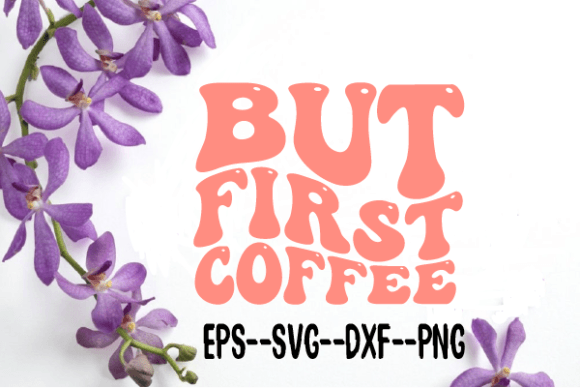
When I first opened the preview of this machine embroidery design, the immediate takeaway was its retro aesthetic. The wavy typography suggests a relaxed, nostalgic vibe, reminiscent of 70s diner culture or vintage surf shops. For an embroidery project, this mood is significant because it dictates where the product will live. This isn’t a design for a formal corporate gift or a high-end wedding favor. It belongs in the realm of casual lifestyle products.
The visual personality here is bold but simple. The "wavy" element implies movement, which can be tricky in stitching if not handled correctly. In a digital graphic, waves are easy. In thread, curves require careful planning to avoid puckering or distortion. My initial instinct was that this design leans heavily toward a statement piece rather than a subtle accent. It demands attention, which makes it excellent for front-center chest placements on apparel or as the focal point of a tote bag.
Real-World Application: Where Does This Fit?
To truly evaluate this file, I imagined it on specific products. Let’s say I am preparing inventory for a local craft fair or updating my Etsy shop. The But First Coffee Retro Wavy Svg feels most natural on items that align with morning routines and cozy aesthetics.
- Sweatshirt Embroidery: Imagine this stitched in cream or mustard yellow thread on a heather grey crewneck sweatshirt. The retro font pairs perfectly with the texture of French terry fabric. It creates an instant custom apparel item that appeals to the "cozy homebody" demographic.
- Tote Bag Design: A canvas tote bag is a staple for coffee lovers. Placing this design centrally on a heavy-duty canvas tote offers enough surface area for the wavy lines to breathe. It turns a simple accessory into a branded handmade product.
- Kitchen Towels and Aprons: For the craft business owner, kitchen linens are low-risk, high-volume sellers. This design works well on flour sack towels, especially when paired with a contrasting bobbin thread.
- Baby Embroidery: While the phrase might be too mature for some baby items, the retro style could work on a larger bib or a nursery wall hanging where the text is less about the literal meaning and more about the decorative shape.
However, I would hesitate to use this for delicate items like silk scarves or fine linen napkins. The visual weight of the design is too heavy for such fragile fabrics.
Technical Considerations and Stitch Performance
As a reviewer, I must address the technical side. Even though this is sold as an SVG (Scalable Vector Graphics), the goal is often digitization for embroidery. If you are converting this vector into an embroidery file, several factors come into play.
The wavy nature of the text means you will likely be using a combination of satin stitch for the outlines and perhaps a fill stitch if the letters are blocky. If the design relies on thin, isolated lines, you risk breakage or tangling unless your stabilizer choice is impeccable. I always advise testing the stitch density carefully. If the threads are too close together, the fabric will pucker, ruining the "retro" relaxed feel. If they are too sparse, the design will look thin and cheap.
Another critical factor is the hoop size. Because the text is wide due to the wave effect, you need a large enough hoop to accommodate the full width without cropping. If you try to fit this into a small 4x4 hoop, you may have to scale it down so much that the details become indistinguishable after stitching. Always check the bounding box dimensions before starting.
Where to Use With Caution
Not every surface is created equal. There are specific scenarios where this design might struggle:
- Textured Fabrics: Avoid placing this on bouclé wool or heavy chenille. The texture will interfere with the needle penetration, leading to missed stitches or uneven tension.
- Stretchy Knits: While sweatshirts are knit, they are usually stable. However, if you attempt this on a stretchy jersey or spandex blend without proper stabilization, the wavy lines will distort as the fabric stretches during wear.
- Curved Surfaces: Applying this to a baseball cap is risky. The curvature of the front panel can cause the "wave" to look broken or misaligned unless you use a specialized cap frame and expert hooping techniques.
- Dense Stitch Areas: If the design includes heavy fill areas near the edges, be mindful of thread colors bunching up. This can create a stiff, uncomfortable patch on garments.
Design Assets and Commercial Viability
For the Etsy seller or small shop product creator, the value of this design lies in its versatility. The retro trend is currently very strong in the handmade market. Customers are drawn to designs that evoke nostalgia. By offering a personalized gift option—perhaps allowing buyers to choose their favorite coffee color or adding a custom name above the wave—you increase the perceived value.
It is also important to consider the digital embroidery file aspect. If you are selling the file itself, ensure you provide clear instructions on conversion. Many buyers purchase SVGs expecting them to be ready-to-stitch, but they often need to be digitized first. Providing a sample printable mockup of how the final finished product looks can significantly boost buyer confidence and reduce returns due to dissatisfaction.
Practical Designer Notes for Success
Before committing to a production run, follow these steps to ensure quality:
- Test on Scrap Fabric: Never guess. Stitch the design on the exact fabric you plan to sell. Check how the fabric texture interacts with the thread.
- Check Thread Color Contrast: The retro look relies on clarity. Ensure your top thread stands out against the background. Black on black won’t work, nor will light grey on white.
- Inspect Small Details: Zoom in on the curves. Are there any tiny islands of thread that might get caught on things? Trim them if necessary.
- Confirm Licensing: Since this is a design asset, verify the license terms. Can you sell finished items? Can you use it commercially? Do not assume. Clear licensing protects your craft business from legal issues.
- Use Proper Stabilizer: A good stabilizer is the backbone of a clean embroidery job. For woven bags, use cut-away. For knits, tear-away or wash-away might suffice depending on the weight.
In conclusion, the But First Coffee Retro Wavy Svg is a solid choice for designers looking to tap into the cozy, nostalgic market. It has strong visual appeal and fits naturally into categories like apparel decorators, kitchen decor, and gift items. Just remember that the success of the final product depends less on the file itself and more on your execution—your choice of fabric, stabilizer, and thread. When done right, this design can be a standout piece in any handmade collection.